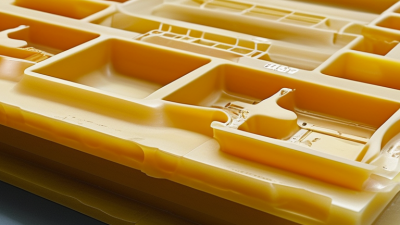
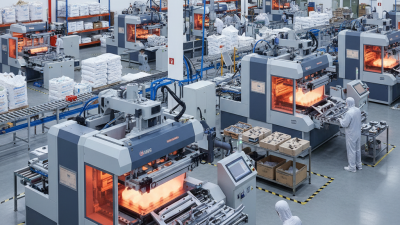
How to Choose a Vacuum Forming Supplier in 2026
Choosing a vacuum forming supplier in 2026 means looking beyond the lowest quoted price. A part that appears simple can depend on material choice, mold design, heating control, and trimming accuracy. Small differences matter. A thin wall near a mounting point may crack, while an uneven edge can complicate assembly. Ask suppliers how they manage these risks, not just how quickly they can make a sample.
A reliable partner should explain its process in clear terms. Request details about suitable plastics, achievable tolerances, tooling ownership, inspection methods, and production capacity. If possible, review a sample part and check its finish, dimensions, and consistency across multiple pieces. Ask how the supplier handles design changes and what information it needs before quoting. Specific answers are more useful than broad promises. So are inspection records and realistic lead times.
Price still matters, of course. But a low quote can leave out tooling adjustments, packaging, or later quality checks. Pause before comparing totals alone. The best choice depends on your part, order volume, and delivery needs. Even a capable supplier may not suit every project. This guide outlines practical questions and comparison points to help you assess experience, communication, quality controls, and overall fit before committing to a vacuum forming partner.
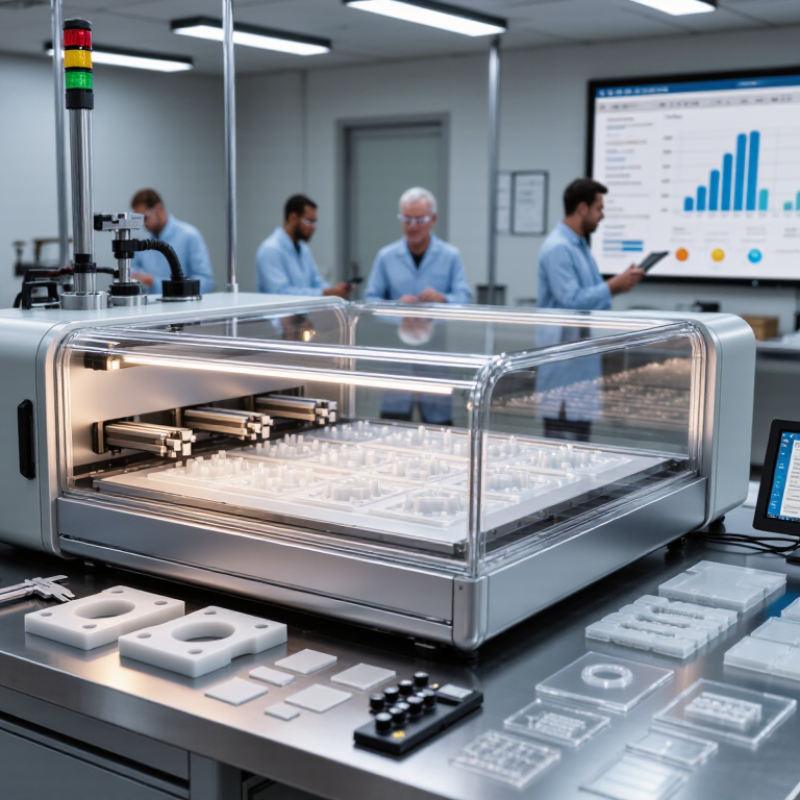
Define Your Vacuum Forming Project Requirements
Before requesting quotes, turn the part into a measurable brief. Record finished dimensions, critical tolerances, wall thickness, draw depth, material grade, color, surface texture, and operating conditions. Include annual demand, batch size, launch date, and expected design changes. Small details matter.
Grand View Research’s Thermoforming Plastics Market report estimated the global market at USD 48.9 billion in 2023, with a projected 5.0% compound annual growth rate from 2024 to 2030. This broad forecast covers thermoforming plastics, not vacuum forming alone, and should not be treated as a price benchmark. It does underline the value of specifying materials and production needs clearly.
Tell potential suppliers whether parts need trimmed edges, drilled holes, inserts, or a particular finish. Share drawings and, where possible, a physical sample. Ask how they will check thin areas, dimensional variation, and repeatability across production runs. Not just the unit price. Request feedback on design changes that could reduce material use or simplify forming, and ask what those changes might affect. A requirement can be too strict, or too vague; review it against the part’s actual function before locking the specification.
Verify Quality Systems, Certifications, and Compliance
A vacuum forming supplier’s certificate should match the plant making your parts, not just the company name.
The ISO Survey of Management System Standard Certifications (2023) recorded more than 1.2 million ISO 9001 certificates and roughly half a million ISO 14001 certificates worldwide. Those figures show widespread adoption, not consistent part quality. Check the certificate’s scope, site address, issuing body, and expiry date. Ask how internal audits identify recurring defects and how corrective actions are verified. A polished PDF proves little by itself.
For formed parts, request records tied to the actual process: sheet-material lot traceability, temperature checks, thickness measurements, and dimensional inspection after trimming. Ask to review a recent inspection report and a sample nonconformance record, with sensitive customer details removed. Confirm that measuring tools are calibrated and that changes to tooling or materials require approval. Compliance needs depend on the product and destination market, so identify applicable customer and material requirements before quoting. Request supporting declarations or test reports, and check their dates and product scope. I would still visit the production area if possible; paperwork can miss a messy handoff between forming and trimming.
Compare Pricing, Lead Times, and Production Capacity
Choosing a vacuum-forming supplier in 2026 means comparing the same part, not just the same quoted price.
Request separate costs for tooling, material, trimming, inspection, packaging, and freight. A low unit price may exclude mold maintenance or setup fees. Ask whether the quote assumes one shift, a fixed resin grade, or a minimum order quantity. Small details matter.
Grand View Research estimated the global thermoforming plastics market at USD 48.83 billion in 2023, with projected annual growth of 5.1% from 2024 to 2030. That signals a growing market, not guaranteed capacity at any individual plant. MHI’s 2024 Annual Industry Report found that 55% of surveyed organizations planned to increase supply-chain technology investment. Ask suppliers how they track job status and material availability. Still, verify the numbers.
Compare lead times by stage: tooling, first article, approval, and repeat production. Ask for recent examples, not just a best-case estimate. For capacity, request the forming area, available press hours, normal utilization, and output per shift for a similar part. A machine list alone proves little. Check who handles trimming and inspection, and whether those steps share the same schedule. I would also ask what happens when a tool needs adjustment; suppliers may not have a neat answer, and that uncertainty deserves a buffer.
Evaluate Communication, Sustainability, and Long-Term Fit
A capable vacuum forming supplier makes communication concrete. Ask how quickly it acknowledges drawing changes, who approves tooling revisions, and how it reports production delays. Request a sample inspection report with wall-thickness readings, trim dimensions, and defect photos. Clear answers matter. Deloitte’s 2024 CxO Sustainability Report found that 85% of surveyed executives had increased sustainability investment in the previous year. That rising attention makes supplier claims worth checking, not simply accepting.
For sustainability, ask for material specifications, scrap rates, and evidence of recycled-content claims. OECD’s Global Plastics Outlook reported that only 9% of plastic waste was recycled worldwide in 2019. This is broad plastics data, not a vacuum-forming benchmark, but it underscores the value of tracking material use and waste. A polished dashboard can still miss offcuts beside the trimming station. Compare reported figures with production records, and ask how rejected parts are handled.
Long-term fit shows up in practical routines: documented process changes, stable lead times, and corrective actions that identify causes rather than blame operators. Discuss how the supplier will handle a forecast change or a new part revision before it becomes urgent. A short pilot order can reveal more than a presentation. Review samples together, including one imperfect part, and see how openly the team explains the issue. No supplier will fit every future need; revisit expectations as volumes, materials, and designs change.