What Is Vacuum Forming Plastic and How Does It Work?

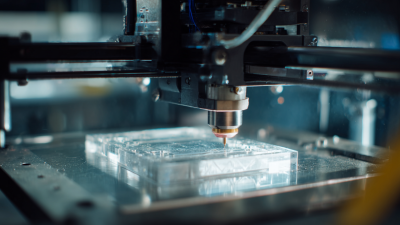
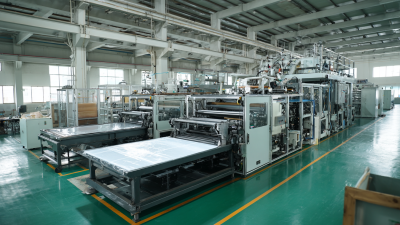
Vacuum forming plastic is a practical thermoforming process used to create trays, housings, signs, liners, and protective packaging. A heated plastic sheet softens over a mold. Air pressure then pulls the sheet tightly against its surface. After cooling, the formed part keeps the mold’s shape.

The process looks simple. It is not always simple.

Material choice, heating balance, mold design, and cooling time directly affect quality. Common sheet materials include ABS, HIPS, PETG, PVC, and acrylic. Each behaves differently around corners, vents, and deep draws. A poorly heated sheet may wrinkle, thin unevenly, or develop cloudy areas. I have seen small temperature differences create visible defects across an otherwise attractive panel.

Industry demand gives this method wider context. PlasticsEurope’s Plastics—The Fast Facts 2024 reports global plastics production of 413.8 million tonnes in 2023. Not all of that volume uses thermoforming, but the figure shows the scale of plastic manufacturing. Smithers’ The Future of Thermoforming to 2028 also identifies packaging, automotive components, and medical applications as important thermoforming markets. These reports support the process’s industrial relevance, although market forecasts can change with energy prices, regulations, and material innovation.

This guide explains what vacuum forming plastic means and how the equipment works. It follows the sheet from heating to trimming. It also examines thickness control, mold materials, production speed, and realistic design limits. One point deserves attention: vacuum forming is not automatically cheaper or greener. Its performance depends on efficient tooling, low scrap, suitable polymers, and responsible end-of-life planning. A clear understanding of those trade-offs leads to better engineering decisions.
What Is Vacuum Forming Plastic and How Does It Work?

What Is Vacuum Forming Plastic?

Vacuum forming plastic is a manufacturing process that shapes heated thermoplastic sheets over a mold. The sheet becomes soft, but it does not become liquid. A vacuum removes air between the sheet and mold, pulling the material tightly around the surface. After cooling, the formed part keeps the mold’s shape. Excess edges are trimmed afterward.

Common materials include ABS, HIPS, PETG, and PVC. Each material responds differently to heat, stretching, and cooling. A workshop operator must control sheet temperature carefully. If the sheet is too cool, corners may remain weak or incomplete. If it is too hot, the surface can sag or show unwanted marks.

Mold design also matters. Smooth surfaces, rounded corners, and suitable draft angles help the part release cleanly. Sharp corners often create thin areas.

Vacuum forming works well for covers, trays, equipment housings, display parts, and protective packaging. It can produce large, lightweight shapes with relatively simple tooling. However, it is not a perfect copying process. Material thickness changes as the sheet stretches, especially around deep corners. Undercuts may also prevent easy removal from the mold. A useful design review should check wall thickness, ventilation holes, trimming allowances, and cooling time. Small tests remain valuable, because real results can differ from computer models.

Which Materials and Tools Are Used in Vacuum Forming?

Vacuum forming starts with a flat thermoplastic sheet, not liquid resin. Common choices include ABS, HIPS, PETG, and polypropylene. ABS provides impact resistance and clean trimming. HIPS suits shallow trays and economical shells. PETG offers clarity and useful toughness. Polypropylene resists chemicals, but it can form less consistently. Material choice is rarely neat. Sheet thickness, drying, recycled content, and mold geometry affect the result. A workshop should record sheet temperature, heating time, and final wall thickness. That simple log often reveals weak corners or uneven stretching. According to Grand View Research’s 2023 Thermoforming Plastic Market report, the market reached approximately USD 13.72 billion in 2022. The report forecasts a 5.5% compound annual growth rate through 2030. Its scope covers thermoforming broadly, not vacuum forming alone.

The essential tools are a clamping frame, radiant heater, vacuum pump, perforated mold, and optional air-pressure assist. A thermocouple verifies sheet temperature instead of relying on surface appearance. Molds may use wood, plaster, composite board, or machined metal. Small vent holes must connect with vacuum channels. Otherwise, trapped air causes bubbles and lost detail. A trim router, knife, or CNC cutter finishes the part. Use extraction when heating produces fumes. Safety glasses and heat-resistant gloves remain necessary. Too much heat can thin deep areas dramatically. Too little creates bridges and wrinkles. The imperfect part teaches more than a successful first pull. A practical check is simple: measure thickness at corners, walls, and the base after cutting a cross-section. ASTM D618 can guide conditioning, but actual settings still require controlled trials.

How Does the Vacuum Forming Process Work?

Vacuum forming turns a heated plastic sheet into a shaped component.

The process begins by clamping a flat sheet above a mold. Infrared heaters warm it until the plastic becomes soft and flexible. Heating must be even. Cold areas can create wrinkles, while overheated areas may thin too quickly.

The softened sheet then moves over the mold. A vacuum pump removes air through small vents in the mold surface. Atmospheric pressure pushes the plastic tightly against the mold. This pressure creates the final shape, including shallow ribs and rounded edges. The sheet cools while held in place. After cooling, the operator releases it and trims away excess material.

In practical production, mold design matters greatly. Sharp corners, poor vent placement, or uneven wall thickness can cause weak spots. Sometimes, a technically correct setup still produces an imperfect part. That result deserves investigation, not quick dismissal.

Tips:

Use gradual heating and monitor the sheet’s sag. Keep mold surfaces clean and properly vented. Add gentle draft angles for easier release. Check wall thickness at corners and deep sections. A small test run can reveal problems before full production. Do not rely only on appearance; measure critical areas after trimming. Temperature, vacuum strength, and cooling time should be recorded for repeatable results. In my experience, careful records often explain defects better than visual inspection alone.

What Shapes and Products Can Vacuum Forming Create?

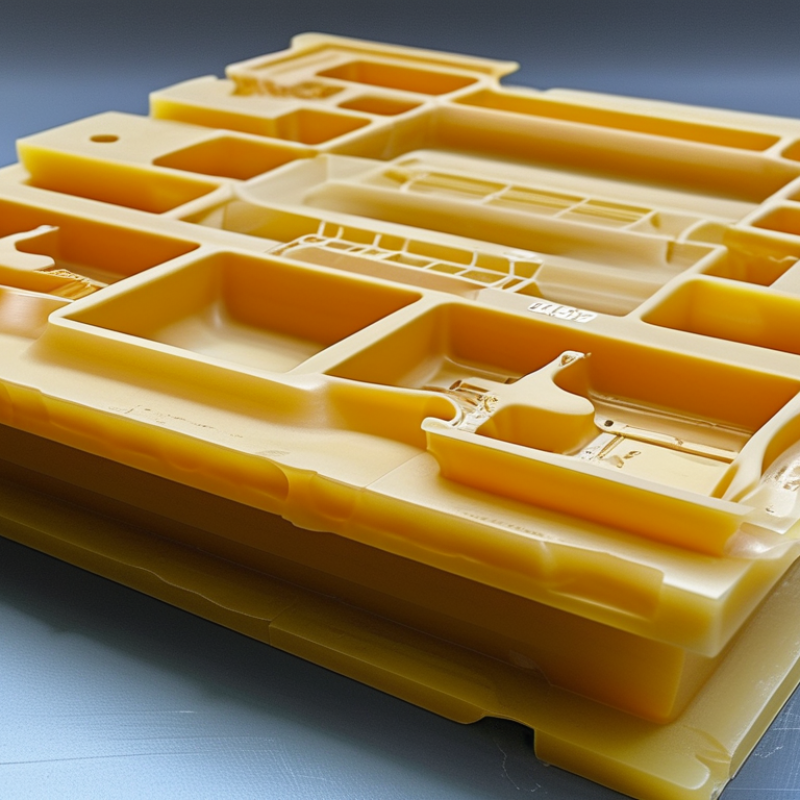
Vacuum forming creates products by heating a plastic sheet until it becomes flexible, then pulling it over a shaped mold with vacuum pressure. The sheet follows the mold’s surface closely. It can produce smooth curves, shallow ribs, recessed panels, and clean open containers. Common examples include packaging trays, protective covers, medical trays, vehicle interior panels, refrigerator liners, shower panels, and lightweight equipment housings.

Shape matters greatly. A mold with gentle angles releases easily, while deep corners may thin the plastic and create weak spots. Designers often add draft angles, rounded edges, and controlled wall thickness. Small details work well. Sharp details do not always transfer perfectly. According to Grand View Research’s 2024 thermoforming market analysis, the global market reached roughly 16 billion dollars in 2023, with packaging representing a major application area. Another industry analysis from Smithers identifies food, healthcare, and consumer packaging as important growth areas for formed plastic components. These figures describe thermoforming broadly, not vacuum forming alone, so they require careful interpretation.

In practical production, vacuum forming can create both one-off prototypes and large batches. A technician may check a prototype under bright light, looking for thin corners, uneven cooling, or trapped air marks. The result can be useful, but not flawless. Mold texture, sheet temperature, and material selection change the final appearance. Recycled content may also behave differently, which deserves testing rather than assumption.

What Are the Advantages and Limitations of Vacuum Forming?

Vacuum forming heats a plastic sheet until it becomes flexible. A vacuum then pulls it tightly over a shaped mold. After cooling, the part keeps the mold’s contours. The process suits trays, covers, housings, and shallow panels. Tooling is often simpler and faster than injection molding. This makes short and medium production runs more affordable. In workshop trials, sharp corners and surface marks transfer clearly. Small mold flaws can appear on every finished part.

The process offers several practical advantages. Low pressure allows molds made from wood, resin, or aluminum. Parts can be large while remaining relatively lightweight. Sheet color and surface texture are available before forming. Production changes may also require less tooling time. Very practical. However, material distribution can become uneven, especially around deep draws and tight corners. Heating must be controlled carefully. Too much heat can cause sagging, while too little heat creates weak forming.

Vacuum forming also has clear limitations. Finished parts often need trimming, drilling, or edge finishing. These extra steps increase labor and create scrap. Deep undercuts are difficult without special mold features. Dimensional accuracy is usually lower than injection molding. A first trial may look acceptable but still show thin walls or unwanted warping. That trade-off matters. Designers should allow draft angles, generous corners, and realistic thickness targets. I have found that simpler molds usually produce more consistent results, although they may limit visual detail. The process is efficient, but not endlessly forgiving.

Go to Top