
How to Source U100 Dried Mango in 2026?

How to Source u100 dried mango in 2026? The answer begins with clarity, not a rushed supplier search. “Quality is built from the orchard to the package,” says mango horticulture specialist Dr. Noris Ledesma. Her point fits U100 dried mango sourcing: every stage leaves evidence.

U100 dried mango usually refers to a premium product specification, but buyers must confirm what “U100” means with each supplier. The term may describe fruit size, grading, moisture, or a private commercial standard. Never assume.

Ask for the mango variety, origin, harvest season, drying method, and target moisture level. Request a recent certificate of analysis. Check sulfites, pesticide residues, microbiological results, and allergen controls. A transparent supplier should explain these details without hesitation.

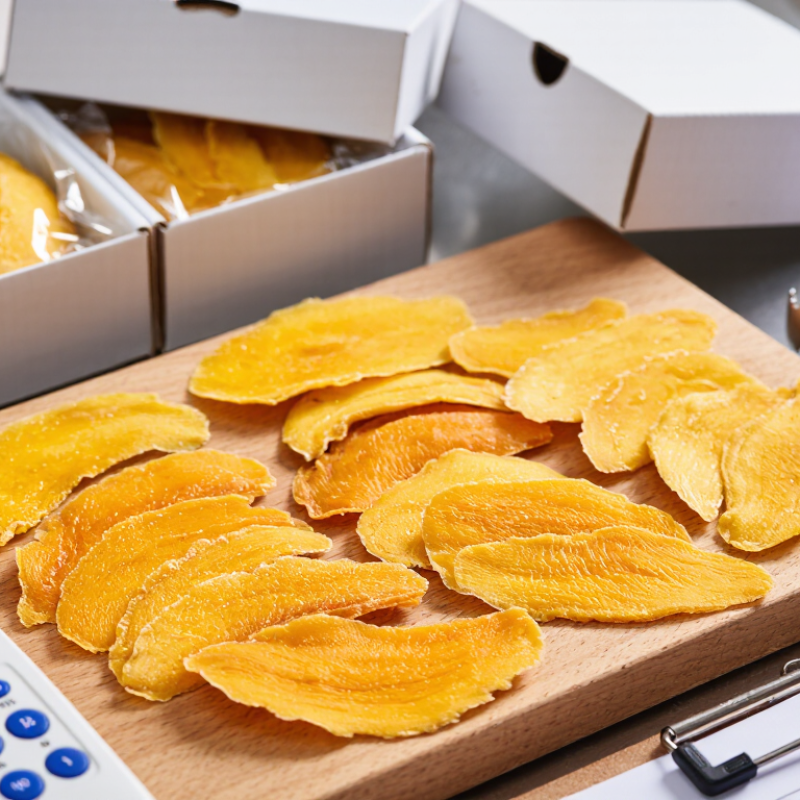
Look closely at the sample. The slices should show an even amber color, a clean mango aroma, and flexible texture. Excessive stickiness may suggest poor drying or unsuitable packaging. A sample can look excellent today and fail after transport. That risk deserves attention.

Review packaging performance under heat and humidity. Ask for carton dimensions, inner-film specifications, shelf-life data, and container loading plans. Confirm whether the factory can maintain consistent cutting, color, and moisture across production lots.

Experience still matters. Visit the facility when possible, or arrange a documented third-party audit. Check traceability from farm records to finished cartons. Small gaps can become expensive problems.

The imperfect truth is simple: the lowest quotation may not be the lowest cost. A reliable U100 dried mango program balances flavor, food safety, consistency, logistics, and honest communication. This guide explains how to test those promises before signing a 2026 supply agreement.
How to Source U100 Dried Mango in 2026?

Define U100: Confirm Pack Size, Cut, Moisture, and Codex CXS 143-1985 Specs

How to Source U100 Dried Mango in 2026?

U100 is not a universal dried mango grade. It may mean under 100 grams, a 100-gram retail pack, or an internal supplier code. Put the meaning in writing before requesting quotations. Confirm net weight, tolerance, carton count, and the final label language.

A 100-gram pack should be checked with a calibrated scale, not by appearance. Small shortages become costly across thousands of units.

Cut size also needs a physical description. Specify strips, slices, cubes, or irregular pieces. Include approximate length, width, thickness, and acceptable broken pieces. Ask for recent production samples, not only catalogue photographs.

Photos can hide dark edges and uneven cuts. They often do.

Moisture deserves careful control. Request the test method, sample date, and laboratory record. Compare the result with the agreed specification and the applicable requirements of Codex CXS 143-1985 for dried mangoes.

Check colour, texture, cleanliness, foreign matter, defects, and permitted treatments during the same review. Codex compliance should be verified against the current official text and destination-market rules.

Do not treat a supplier declaration as complete evidence. One practical weakness is relying on a single sample carton; moisture can vary between lots.

Record lot numbers, packaging material, storage conditions, and corrective actions when results differ. A clear purchase specification protects both sides.

Map 2026 Supply: Compare HS 081340 Trade Data, Origins, and Crop Cycles

To source U100 dried mango in 2026, begin with HS 081340 trade records. This code covers other dried fruit, not mango alone. Customs data can therefore overstate actual mango volumes. Confirm product descriptions, shipment weights, declared values, and destination ports before comparing suppliers. U100 also needs a written definition. It may describe piece size, fruit count, or a buyer’s internal grade.

Map origins against crop calendars. Mexico commonly supplies mangoes from spring into summer, while Southeast Asian crops often move through several harvest windows. South Asian production can enter the market during different regional seasons. Weather may shift these periods. Recent trade records should be checked beside rainfall, flowering conditions, and processing capacity. A low export month does not always mean weak production; local demand or delayed shipping may explain it.

Compare three years of HS 081340 data, not one unusually strong season. Review monthly quantities, average unit values, port congestion, and shipment frequency. Then request crop-year details, cultivar, moisture target, sugar treatment, and testing records. Keep samples from different lots. The first sample can mislead. I have seen attractive pricing hide uneven texture and excessive broken pieces. Trade databases also contain classification errors, so every number deserves a second check. A practical 2026 shortlist should balance origin diversity, harvest timing, documented quality controls, and realistic replenishment lead times.

Audit Factories: Check HACCP, ISO 22000, BRCGS, and FSMA FSVP Records

How to Source U100 Dried Mango in 2026?

A reliable U100 dried mango supplier should pass a document audit before sending samples. Confirm the factory’s HACCP plan, ISO 22000 certificate, BRCGS audit report, and FSMA FSVP records. Check the certificate scope, production address, expiry date, and approved product categories. A certificate covering only fresh fruit does not prove dried mango safety.

Look closely at hazard controls. The HACCP file should identify biological, chemical, and physical risks during slicing, drying, cooling, and packing. Ask for recent laboratory results covering Salmonella, yeast, mold, pesticide residues, and sulfites when used. The World Health Organization estimates that contaminated food causes 600 million illnesses annually worldwide. That figure makes weak verification difficult to justify. Request sanitation logs, water testing, pest-control records, metal-detector checks, and a documented mock recall.

FSMA FSVP records should show hazard evaluation, supplier approval, verification activities, corrective actions, and review dates. The U.S. Food and Drug Administration requires importers to verify foreign suppliers through risk-based procedures, not certificates alone. Also compare BRCGS findings with internal corrective-action reports. Repeated minor findings may signal poor discipline. I would inspect the factory during peak mango season if possible. Remote audits miss details. Sometimes, painfully.

Finally, verify U100 physically. Define the count basis, moisture range, cut size, and acceptable discoloration in the purchase specification. Keep retained samples from each lot. An excellent audit cannot correct an unclear size standard. Industry reports and certificates help, but direct evidence remains stronger.

How to Source U100 Dried Mango in 2026?

Factory audit reference: documented framework elements to verify across HACCP, ISO 22000, BRCGS, and FSMA FSVP records.

The chart compares formal structural elements used during document screening: the 7 HACCP principles, ISO 22000:2018 clauses 4–10, the 9 sections of BRCGS Food Safety Issue 9, and the 2-year minimum record-retention period commonly applied to FSMA FSVP records. These figures are reference points, not audit scores; request the latest controlled procedures, corrective-action records, supplier-approval evidence, and traceability documents before purchasing.

Test Lots: Verify aw ≤0.60, Codex MRLs, and FDA Sulfite Labeling at 10 ppm

How to Source U100 Dried Mango in 2026?

Test lots should answer more than appearance and sweetness. Request a representative sample from each production lot. Measure water activity with a calibrated meter after the mango reaches temperature equilibrium. The target is aw ≤0.60. This supports better shelf stability, but it does not replace microbial controls or sound packaging. Record the sample temperature, test method, instrument ID, and duplicate readings. Small testing errors can matter.

Ask an accredited laboratory to screen pesticide residues against the current Codex MRLs for dried mango. MRLs can vary by substance and market. A supplier certificate helps, yet it is not independent evidence. Check the laboratory scope, reporting limits, sample chain, and test date. Retain sealed portions from the same lot. Retention matters when results disagree.

Review sulfite results against FDA labeling rules before approving artwork. FDA generally requires declaration when sulfiting agents reach 10 ppm or more in the finished food. Confirm whether the result represents total sulfites and whether the laboratory used a suitable validated method. Do not rely on a vague “sulfite free” statement. Labels, specifications, and test results must match. One overlooked formulation change can invalidate earlier paperwork. Test the actual packed product, not only raw mango.

Contract and Ship: Set MOQ, Incoterms, Shelf Life, and 2026 Landed Cost

How to Source U100 Dried Mango in 2026?
A reliable U100 dried mango contract starts with a precise product definition. Confirm slice size, cut tolerance, sugar treatment, moisture, water activity, color, and packaging weight. Do not treat “U100” as a complete specification. It may describe one purchasing standard, but suppliers can interpret it differently. Request a recent production sample and matching batch records. A third-party laboratory should verify microbiological limits, additives, allergens, and pesticide compliance. Keep the signed specification beside the purchase contract.

Set the MOQ according to sales velocity and shelf-life risk. A lower MOQ may raise the unit price, while a larger order can create aging stock. State the Incoterm, named destination, loading port, insurance responsibility, and document requirements clearly. For regular imports, comparing FOB and CIF is useful, but CIF does not remove destination charges. Define carton labeling, pallet configuration, inspection rights, and remedies for short weight or failed testing. These details prevent arguments after loading.

Shelf life should include a minimum remaining period at arrival, not only the factory’s total claim. Ask for storage conditions, production date, best-before date, and retain samples. Build 2026 landed cost from product price, inland transport, freight, insurance, duties, clearance, testing, warehousing, and currency movement. Freight quotes expire quickly. My own costing sheets have missed port handling fees before. A five-percent contingency is sensible, though it may still be insufficient during peak season. Recheck the model before signing, especially when transit exceeds four weeks.

Article Source:

Go to Top