How to Master the Thermoforming Process for Your Business?
The thermoforming process is a vital aspect of modern manufacturing. It allows businesses to create complex plastic shapes with efficiency and precision. According to Dr. Emily Carter, a leading expert in polymer engineering, "Mastering the thermoforming process can unlock tremendous potential for innovation in product design."
Understanding this process can profoundly impact your business. Thermoforming involves heating thermoplastic sheets, then shaping them using molds. The temperature and pressure must be precisely controlled. Small mistakes can lead to significant production issues. An effective mastery of this technique demands continual learning and adaptation.
Innovation often stems from experimentation. Companies must be willing to face failures and adapt their approaches. The thermoforming process, while formidable, offers endless possibilities once understood deeply. Businesses can transform challenges into opportunities through expertise and dedication.
Understanding the Basics of Thermoforming and Its Applications
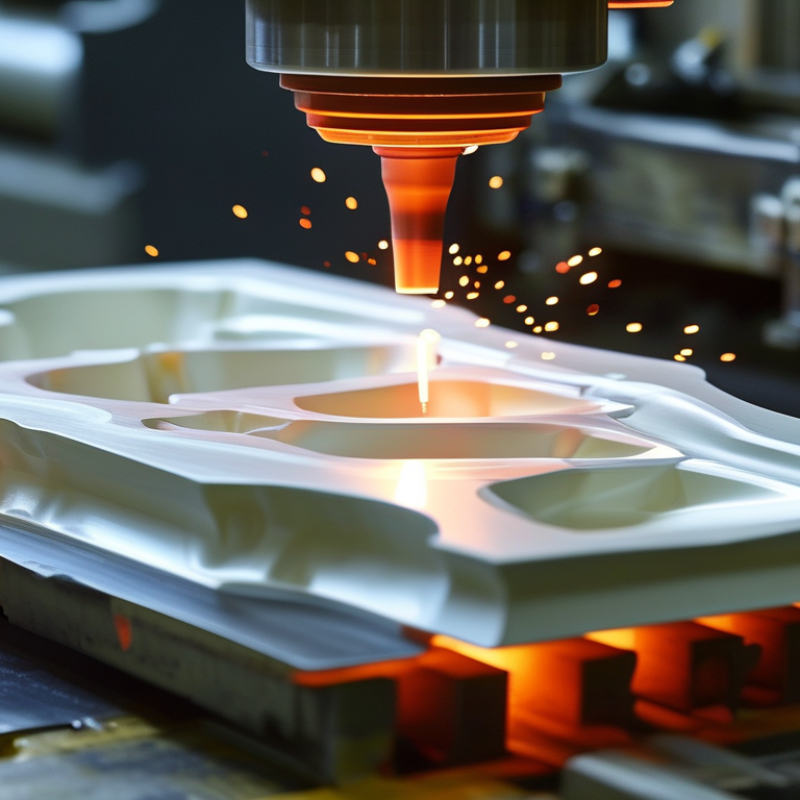
Thermoforming is a widely used manufacturing process. It allows businesses to create customized plastic parts through heating and shaping. According to a recent report by Smithers Pira, the global thermoforming market is expected to reach $12 billion by 2024. This growth highlights the significance of understanding its basics and applications.
The process generally involves heating thermoplastic sheets until soft, then using molds to shape them. Industries such as automotive, packaging, and consumer goods benefit from thermoforming. For instance, companies in packaging can produce lightweight containers that are cost-effective. These applications emphasize the versatility of thermoforming in varied sectors.
When implementing thermoforming, focus on material choices. Not all plastics perform the same. Some may warp or become brittle under stress. Testing materials can prevent failures later in production. Additionally, consider machine settings. Temperature and pressure influence the final product's quality. Aiming for precision is essential. Each step can impact the overall outcome.
Thermoforming Process Applications
This bar chart illustrates the market demand for different applications of the thermoforming process. Each bar represents the number of units required in various sectors, showcasing the versatility and importance of thermoforming in industries such as food packaging, automotive, medical, consumer products, and construction.
Key Materials Used in the Thermoforming Process
The materials used in the thermoforming process are crucial for achieving optimal results. Thermoforming typically involves plastics such as polystyrene, polyvinyl chloride (PVC), and polyethylene. These materials are favored for their versatility, cost-effectiveness, and ease of manipulation. Polystyrene, for instance, is lightweight and offers excellent clarity, making it ideal for packaging applications. PVC is known for its durability and can be easily molded into complex shapes.
Choosing the right material can be challenging. Each type has unique properties that affect its performance in various applications. For example, polyethylene is tough and resistant to impact, but may not have the same aesthetic appeal as polystyrene. It’s important to consider both functionality and appearance when selecting materials. Failure to choose wisely can lead to costly mistakes and rework.
Furthermore, experimenting with different gauges of materials can provide insight into how they behave during the thermoforming process. Thinner materials might save costs but can lead to weakness in the final product. Striking a balance between thickness and versatility is often a trial-and-error process. Understanding these dynamics helps refine production techniques and improve overall efficiency. Ultimately, mastering the material selection is key to successful thermoforming.
Step-by-Step Guide to Implementing Thermoforming in Your Business
Thermoforming is a valuable manufacturing process. To successfully implement it in your business, start with understanding the fundamentals. Research the materials that work best for your products. Clear knowledge of thermoplastics and their properties is essential. It will guide your choices and affect the final outcome.
After grasping the basics, invest in the right equipment. Choices range from simple vacuum formers to advanced CNC machines. Evaluate your production needs before making a purchase. Not all machines fit every business. Some may require additional training or modifications to optimize performance.
Finally, establish quality control processes. Monitor each batch to identify any inconsistencies. This step is crucial for maintaining standards. Keep records of your process to refine and improve over time. It’s important to be aware of common issues, such as uneven heating or material waste. Regularly revisiting your methods and results can lead to better efficiency and product quality.
Common Challenges in Thermoforming and How to Overcome Them
Thermoforming can be a challenging process for manufacturers. One common issue is material inconsistency. Variations in thickness can lead to uneven heating and poor-quality parts. To address this, invest in high-quality materials that meet your specifications. Regular checks of your material inventory can also help avoid surprises on the production line.
Another challenge is the precision of the molding process. Inaccurate molds can create defects, wasting time and resources. Employing advanced technology can enhance mold design accuracy. Additionally, regular maintenance of machinery is crucial. Small adjustments can make a significant impact on the final product quality.
Lastly, workforce training is often overlooked. Skilled operators are essential for mastering the thermoforming process. Continuous training leads to fewer mistakes and greater output. Encourage open communication among team members to foster a collaborative atmosphere. Reflecting on these challenges can lead to improved processes and outcomes.
Best Practices for Quality Control in Thermoforming Production
Quality control in the thermoforming process is crucial for producing reliable products. Establish clear standards for material specifications and equipment settings. Regular monitoring helps maintain these standards. Small variations in temperature or pressure can impact final product quality.
Consolidate data from production runs to identify trends. Tracking metrics like cycle time and waste can reveal areas for improvement. Encourage teams to review this data regularly. This practice fosters a culture of continuous improvement.
Training staff is essential for quality assurance. Ensure they understand the thermoforming process and how their roles affect quality. Regularly update training materials to reflect new techniques or insights. Mistakes may happen, but they serve as learning opportunities for the team. By embracing these challenges, businesses can grow and enhance their thermoforming capabilities.