2026 Best Vacuum Forming Plastic Sheets for Your Projects?
In recent years, the market for vacuum forming plastic sheets has seen significant growth. According to industry reports, this growth is driven by increasing demand across various sectors, including packaging, automotive, and consumer goods. Vacuum forming, a method used to shape plastic sheets, allows for flexibility and efficiency. The right plastic sheets can greatly enhance the quality and durability of products.
Understanding the types of vacuum forming plastic sheets available is crucial for any project. Materials like ABS, PETG, and polycarbonate offer different properties that cater to specific needs. For instance, ABS provides excellent impact resistance, while PETG is known for its clarity and ease of processing. However, choosing the wrong material can lead to unexpected issues, such as reduced strength or finish quality.
As projects become more complex, so does the need for reliable materials. Not all vacuum forming plastic sheets are created equal. Some may not meet the rigorous standards required for professional applications. Hence, it's essential to consider the supplier's credibility and customer reviews before making a decision. Navigating this landscape can be daunting, but with careful research, you can find the optimal solution for your needs.

Understanding Vacuum Forming and Its Applications
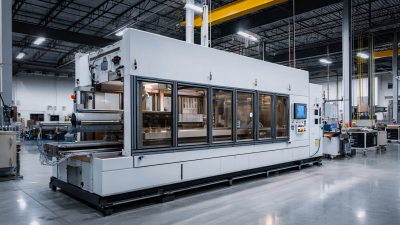
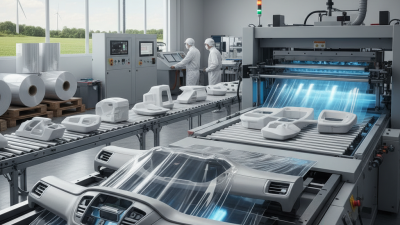
Vacuum forming is a widely used technique in manufacturing. It involves heating a plastic sheet until pliable and then stretching it over a mold. The vacuum removes air and forms the sheet tightly against the mold. This process is efficient for creating complex shapes. Reports indicate that the global vacuum forming market is expected to reach $10.5 billion by 2026, showing significant growth.
Applications of vacuum forming vary widely. It is used in packaging, automotive parts, and even medical devices. In packaging, the lightweight nature of vacuum-formed products reduces shipping costs. A study indicated that companies using vacuum-formed packaging experienced a 30% reduction in material costs. However, challenges remain. Not every design is suitable for vacuum forming, and the material choice can affect the final product's durability.
Understanding the limitations of vacuum forming is crucial. It may not achieve the fine details that other processes, like injection molding, can offer. Additionally, the setup cost for molds can be high. Companies must weigh these factors against their project needs. Despite its limitations, vacuum forming remains a vital method in various industries, providing versatility and cost-effectiveness.
Types of Vacuum Forming Plastic Sheets Available in 2026
In 2026, the world of vacuum forming plastic sheets offers diverse options for various projects. Each type has unique features tailored to specific applications. PVC sheets are popular for their affordability and ease of use. They are great for creating prototypes. However, recyclability may pose a concern for environmentally conscious creators.
Polycarbonate sheets provide higher durability and impact resistance. They are ideal for applications needing strength and transparency. While their cost may be higher, the long lifespan often offsets the initial investment. On the downside, polycarbonate can be tricky to cut and shape.
Acrylic is another versatile choice. It pairs clarity and lightweight properties, making it suitable for displays and light fixtures. Yet, it scratches easily and may not withstand heavy impact. Each material presents unique advantages and pitfalls. Understanding these nuances is crucial for making informed decisions in your projects.
Key Features to Consider When Choosing Plastic Sheets
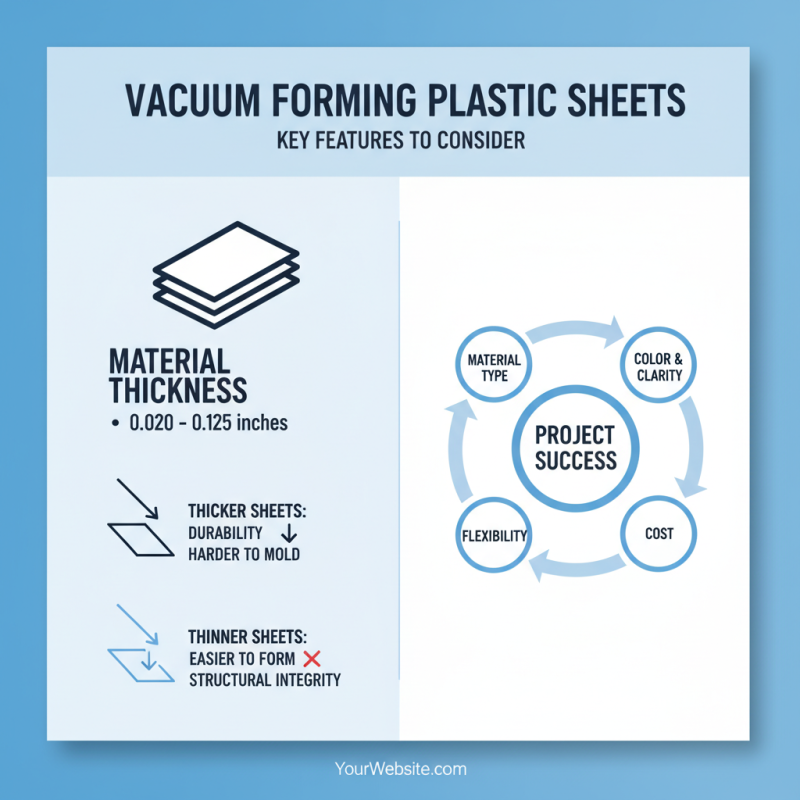
When selecting the best vacuum forming plastic sheets, several key features significantly impact your project's success. One crucial aspect is material thickness. Research shows that sheets ranging from 0.020 to 0.125 inches are the most versatile for various applications. Thicker sheets provide durability but can be more challenging to mold, while thinner sheets can be easier to form but may lack structural integrity.
Another important factor is the type of plastic used. Polycarbonate and acrylic sheets are notable for their clarity and strength. According to the Plastics Industry Association, these materials have excellent impact resistance and can withstand high temperatures. If your project requires UV resistance, consider specialty sheets that offer enhanced protection.
Tip: Always sample materials before committing to large orders. This allows you to test how well they perform under your specific conditions. It's essential to reflect on the trade-offs between cost and quality. Cheaper options may save money upfront but could lead to compromises in performance later. Ultimately, performance evaluation is vital in selecting the right plastic sheets for vacuum forming, ensuring a satisfying outcome for your project.
Top Brands and Products for Vacuum Forming Sheets in 2026
When selecting vacuum forming plastic sheets, consider various attributes that enhance your projects. Look for sheets that balance thickness, flexibility, and heat resistance. High-quality plastics can withstand temperature fluctuations during the vacuum forming process. Be mindful of your project's specific requirements before making a choice.
Tip: Test a small sample first. This helps gauge how the material performs under your project's conditions. Not all plastics behave the same way when heated or shaped. You might discover some unexpected outcomes that could influence your design.
Research top brands before purchasing. Look for user reviews that highlight durability and ease of use. Reliable sheets should offer clear instructions for optimal results. Safety is another crucial factor. Ensure that the materials conform to safety standards, especially if used in consumer products.
Tip: Always wear protective gear when working with heated materials. Precaution is essential, as working with high temperatures may pose risks. Being aware of all safety protocols can protect you and enhance your project’s success.
Tips for Achieving Optimal Results with Vacuum Forming Projects
When it comes to vacuum forming, choosing the right plastic sheets is crucial. Different materials react uniquely when heated and shaped. Common options include ABS, polycarbonate, and PETG. Each material has varying strength, flexibility, and transparency. Understanding these differences can directly impact your project’s outcome.
Achieving optimal results also involves attention to detail. Start by ensuring your molds are perfectly crafted. Small imperfections in the mold can lead to significant issues during the forming process. Temperature control is equally important. If the plastic isn't hot enough, it won't form properly. Too hot, and it may lose its integrity.
Don’t forget to conduct test runs. These trials can highlight potential problems, allowing for adjustments before the final project. Remember, experience plays a vital role in vacuum forming. Learning from each project helps refine your techniques. Not every attempt will yield perfection, and that’s part of the learning curve. Embrace those imperfections as stepping stones to improvement.